If you’re searching for how to climb mount everest, here’s the short answer: build several years of high‑altitude mountaineering experience, train specifically for 9–12 months, and book a reputable guided expedition well in advance—budget around $45,000–$85,000 and plan 60–70 days on the mountain to acclimatize and wait for a safe summit window.
Most climbers follow the South Col route from Nepal using supplemental oxygen, practice a strict turnaround time (many teams use a “2 pm rule”), and arrive with prior 6,000–7,000 m experience; if you don’t have that background yet, spend 2–3 years on a steady progression of lower peaks and skills courses before committing money or vacation time to Everest.
How to Climb Mount Everest: The Shortest Blueprint
Everest success is mostly decided before you step onto the Khumbu Glacier. Use this one‑page blueprint to see where you stand and what to do next.
- Qualify first: at least one 6,000–7,000 m peak (e.g., Aconcagua, Denali, Cho Oyu or Manaslu with a guide), confident use of crampons and fixed lines, glacier travel and crevasse rescue basics, and a recent clean bill of health from a qualified physician familiar with altitude.
- Book 9–12+ months ahead: spring (April–May) is the classic pre‑monsoon window. Secure a reputable operator with experienced guides and strong Sherpa support. Expect a 60–70 day itinerary including acclimatization rotations and weather delays.
- Budget wisely: typical totals run $45,000–$85,000 depending on guide ratio, oxygen plan, logistics, and extras (satellite comms, domestic flights, hotels, tips, and contingency days).
- Choose route access: South Col (Nepal) is the most common. North Col (Tibet) access depends on Chinese permit policy; rules and availability can vary by year.
- Plan oxygen and turnaround: most climbers use supplemental oxygen above Camp 3; many teams climb at 2–4 L/min and carry extra bottles for the summit push. Establish a time‑based turnaround (for example, if you’re not past the South Summit by ~2 pm, you descend).
- Know what’s included: good operators typically include permits, Base Camp logistics, group tents, meals on the mountain, fixed line fees, and oxygen if stated. You’ll still bring your personal technical kit, sleeping systems, and insurance, and you’ll tip support staff.
- Immediate next steps: get a medical clearance, lock your operator and dates, start a 12‑month training plan, and reserve time off with a buffer for delays.
Are you ready? A no‑nonsense readiness checklist (and who should not attempt)
Before wiring a deposit, assess honestly. Everest rewards preparation and punishes wishful thinking.
- High‑altitude history: at least one expedition at 6,000–7,000 m, with evidence you acclimatize reliably and can sleep well at high camps.
- Technical competence: move efficiently in crampons on steep snow/ice, clip/unclip safely to fixed lines, ascend/descend with jumars and descenders, cross ladders calmly while clipped, and perform basic crevasse rescue with a team.
- Fitness benchmarks: hike 1,000–1,200 m (3,300–4,000 ft) of vertical gain with a 15–20 kg (33–44 lb) pack in 3–4 hours; do back‑to‑back long days; handle sub‑zero mornings without losing focus.
- Training load: 8–12 hours per week for 9–12 months, including aerobic base, loaded uphill hikes, strength and muscular endurance, and movement in cold conditions.
- Time and money buffer: 70 days away is common; budget for schedule slips and extra nights in Kathmandu or Base Camp.
- Risk mindset: you will turn around if timing, weather, or your condition says so. Summit fever is not part of the plan.
- Paperwork: comprehensive rescue/evacuation insurance suitable for Nepal or Tibet, visas as required, and medical documentation the operator requests.
- Ethical commitments: pack out waste where required, treat porters and Sherpa staff with respect, and follow your team’s safety calls without argument.
Red flags: no prior high‑altitude history, a rushed training schedule, limited budget that crowds out safety margins, or an unwillingness to descend when told. If any of those are true, push the attempt back a year and build toward it.
Training for Everest: a 12‑month plan and a smarter 24‑month pathway
Everest is an uphill endurance event at extreme altitude. Your plan should build an engine, a chassis, and the skills to use them when the air is thin and the wind is loud.
12‑month outline
- Months 1–3: Aerobic base. 4–6 sessions/week of easy‑to‑moderate runs, bikes, or stair climbs; one long hike. Start loaded uphill hikes with 10–12 kg and build gradually.
- Months 4–6: Strength and movement quality. Focus on posterior chain (deadlifts or hinge variations), single‑leg strength (lunges/step‑ups), pulling (rows, pull‑ups or assisted), and a heavy dose of core. Add technical practice days in crampons if you can find local snow or an indoor dry‑tooling facility.
- Months 7–9: Muscular endurance. Longer uphill hikes with 15–20 kg, back‑to‑back big weekend days, and stair or hill repeats. Simulate slow, steady efforts of 4–8 hours under load.
- Months 10–12: Specificity and exposure. Altitude camps or a lower expedition if feasible; long hikes at night or in the cold to stress test systems. Reduce gym loads; sharpen movement on snow/ice and fixed lines.
Skill blocks
Book a glacier travel and crevasse rescue course; practice fixed line ascents with a jumar and descents with a device on a backup. Set up mock ladder crossings in a safe environment. Drill camp craft: melt snow efficiently, manage stoves safely, and keep gloves and liners dry during transitions.
Stepping‑stone peaks
Examples of progressions that commonly prepare climbers: Rainier or Gran Paradiso → Aconcagua → Denali or a guided 8,000er like Cho Oyu or Manaslu (conditions and access vary by year). Choose objectives that add a new skill each time—heavier loads, colder temps, or steeper ground—not just a bigger number on a summit sign.
Recovery and reassessment
Schedule deload weeks every 3–5 weeks. If you pick up a nagging injury or can’t sustain training hours without burning out, pause and slide the expedition a year. Everest is not going anywhere; your readiness matters more than the calendar.
Budget and bookings: costs, inclusions, and permits explained
Where does $45,000–$85,000 go? Broadly into royalties/permits, guiding and Sherpa support, oxygen systems, logistics (food, tents, Base Camp services), domestic travel and hotels, communications, insurance, tips, and a contingency buffer. Prices change with exchange rates, fuel, and policy updates, so use the ranges below as planning anchors and confirm specifics with your operator.
- Climbing permit/royalty (Nepal, South Col): a significant line item paid per climber; the operator usually handles the paperwork and fee.
- Guiding and Sherpa support: a major share of the total, influenced by guide‑to‑client ratios and whether you have personal climbing Sherpa support above Base Camp.
- Oxygen: bottles, masks, and regulators for you and your Sherpa on summit push; consumption depends on flow rates and hours above Camp 3–4.
- Base Camp services and logistics: tents, food, cooks, communications, generators/solar, and the support staff who make Base Camp livable.
- Domestic flights, hotels, and cargo: Kathmandu–Lukla flights (South side) or transport arrangements for Tibet entry (North side), plus gear freight.
- Insurance and tips: comprehensive rescue/evac insurance, plus tips for climbing Sherpa, Base Camp staff, and porters based on team norms.
- Contingency: a buffer for weather delays or equipment replacements.
Operator tiers at a glance
| Price tier | Typical total cost range | Guide‑to‑client ratio | Oxygen included | Sherpa support details | Medical/comms support | What’s included | Route access | Not included |
|---|---|---|---|---|---|---|---|---|
| Budget | $45k–$55k | 1:4–1:6 | Sometimes limited; 2–3 L/min plan; extra bottles billed | Shared climbing Sherpa; fewer carry/load days | Basic first‑aid kit; radio at camps; limited satellite messages | Permits, Base Camp logistics, fixed line fees, group tents, meals | Usually South; North depends on annual access | Personal gear, comprehensive insurance, most comms, higher oxygen usage |
| Mid‑range | $55k–$75k | 1:3–1:4 | Standard plan; 3–4 L/min summit, decent reserve | Assigned climbing Sherpa above BC; better load support | Oximetry monitoring, radios, shared sat comms; some medical oversight | Permits, domestic logistics, most oxygen, meals, weather forecasting | South standard; some seasons North available | Personal equipment, evacuation policy, larger data packages, tips |
| Premium | $75k–$85k+ | 1:1–1:3 | Robust plan; backup bottles, high‑quality masks/regs | Dedicated personal Sherpa; more carry days, stronger support | Dedicated Base Camp medical lead, reliable sat comms, daily forecasts | Extensive inclusions: permits, oxygen, heated dining tents, higher‑end logistics | South and, when open, curated North options | Personal kit upgrades, trip insurance, personal satellite device plans, tips |
Nepal (South Col) vs Tibet (North Col) in plain terms: the South has the Khumbu Icefall, which is logistically complex and time‑sensitive; permits are managed by Nepal authorities, and spring is the main season. The North avoids the Icefall but can be windier and colder with long traverses; access depends on Chinese/Tibetan permits and border policies that may change by year. Operators will brief you on current policy before you book.
Booking timeline
- 12–18 months out: Research operators, confirm prerequisites, and hold a spot with a deposit. Start a coach‑built training plan if possible.
- 9–12 months out: Finalize gear gap list and begin procurement to allow time for testing. Submit paperwork, insurance proof, and medical clearance.
- 6 months out: Book international flights; lock domestic flights (e.g., Kathmandu–Lukla). Schedule a high‑altitude shakedown climb.
- 3 months out: Final gear checks, break‑in boots, and practice with your oxygen mask/regulator if the operator provides a familiarization session at home.
- 1 month out: Pack labeled duffels, verify comms devices, and keep a spare day in travel plans for weather or baggage hiccups.
Everest expedition timeline: from Base Camp to summit
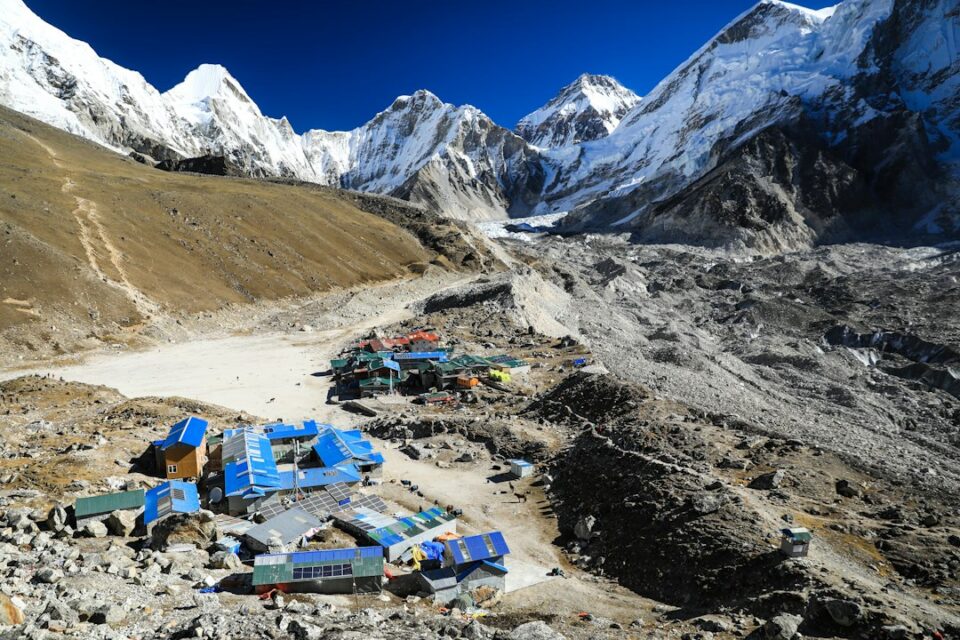
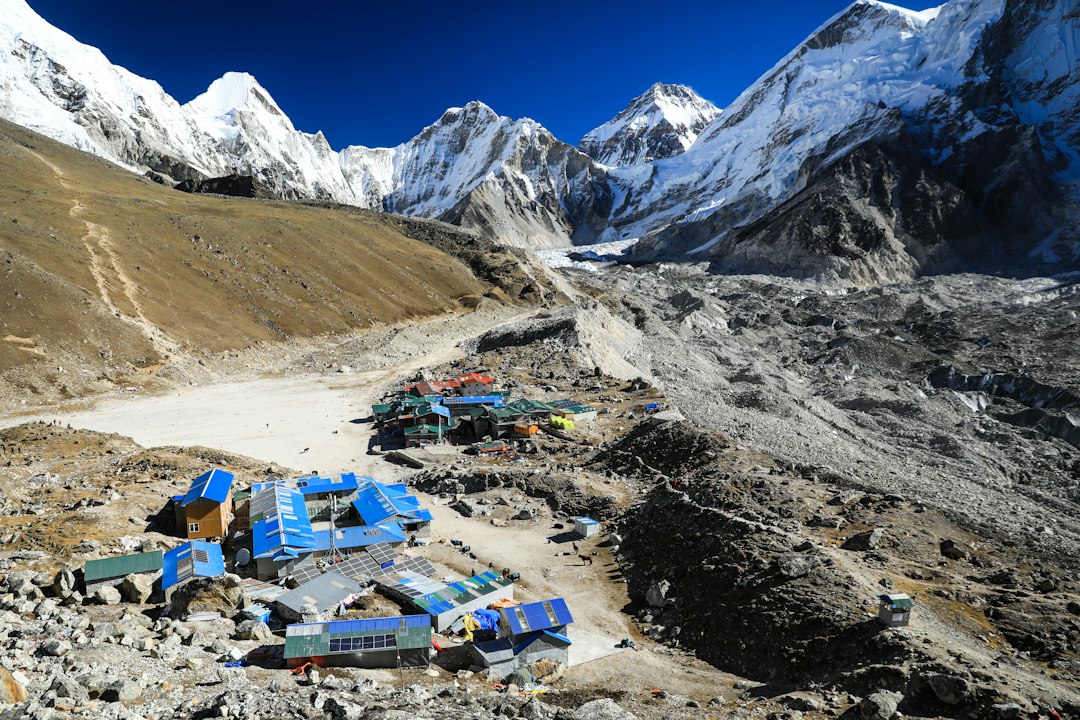
Trek to Base Camp (South side): A 7–12 day trek up the Khumbu Valley through villages like Namche and Dingboche. You’ll sleep from ~2,600 m in Lukla to ~5,300 m at Base Camp, with rest days for acclimatization. On the North side, vehicle access and shorter approaches change the feel, but the principle is the same—arrive rested, not wrecked.
Base Camp life: Expect structured rest, skill refreshers on a nearby glacier, briefings, and medical and oxygen system orientations. Good camps serve three hot meals, have heated dining tents, and manage sanitation carefully. You’ll track vitals like oxygen saturation and resting heart rate.
Acclimatization rotations (South Col pattern):
- Rotation 1: Through the Khumbu Icefall to Camp 1 (~6,000 m), sleep one night, then move to Camp 2 (~6,400 m) in the Western Cwm, sleep, and descend to Base Camp.
- Rotation 2: Back to Camp 2, then touch or sleep at Camp 3 (~7,200 m) on the Lhotse Face using fixed lines. Some teams use low‑flow oxygen here; others do not. Descend to Base Camp for a solid recovery.
- Optional touch: Weather and strategy permitting, a brief higher touch or a rest block while waiting for the jet stream to lift.
Summit push: Target a weather window of low winds and stable temps. Typical schedule on the South side is Base Camp → Camp 2 → Camp 3 → Camp 4 (South Col, ~7,900 m) → summit night. Oxygen flow rates often increase on summit push (for example, 3–4 L/min for climber, 4+ L/min for your Sherpa). Landmarks from the South Col include the Balcony (~8,400 m), the South Summit (~8,749 m), the Hillary Step area (conditions change year to year), and the final summit ridge.
The “2 pm rule”: Many teams set a strict cutoff such as being through the South Summit and on the summit ridge by about 2 pm or they turn back. Practical go/no‑go cues include: lines forming at the Hillary Step, an empty reserve oxygen bottle too early, increasing winds above forecast, or your pace falling outside the plan to descend in daylight.
Descent: Success looks like getting down safely and promptly. Most teams descend back to the South Col after summiting, then to lower camps as soon as reasonable. Hydrate, re‑fuel, watch your feet on tired legs, and check oxygen systems again for the descent.
Gear and on‑the‑ground logistics (what to bring, rent, or expect)
Your operator will share a detailed list. Cross‑check it against independent resources so you understand each item’s job. Useful references on this site include the mountaineering gear checklist and our mountaineering safety checklist.
- Core kit: double or triple boots rated for 8,000 m, overboots if needed, crampons that fit your boot well, a reliable harness, two ascenders/jumars and a descender, multiple locking carabiners, and a helmet.
- Clothing system: base layers, mid‑layers, high‑loft insulation, a down suit or high‑altitude parka/pants combo, windproof shell, and multiple glove systems (liner, work, big mitts). Neck gaiter/balaclava and spare goggles for storm days.
- Sleeping systems: -20 to -40 class bag depending on your operator’s tent quality, an insulated sleeping pad, and a pillow solution that works for you at altitude.
- Oxygen system: provided by your operator if included; you’ll practice mask/regulator operation and troubleshooting at Base Camp.
- Food and hydration: Base Camp meals are provided; above, many teams supply freeze‑dried options. Carry snacks you can eat when your appetite dips.
- Comms and power: team radios, plus a satellite phone or inReach for short messages. Power management matters—rotate power banks, keep electronics warm, and shut devices down when not needed.
- Toilets and waste: Base Camps use tented toilets with lined barrels or similar systems; higher camps may rely on wag bags or designated areas managed by the operator. Pack hygiene kits and hand sanitizer. Follow your team’s plan to keep camps clean and, where local rules require, to pack out solid waste.
- Money and admin: expect tipping ranges to be stated by your operator before departure; carry enough local cash for Kathmandu/Thamel incidentals. Verify evacuation coverage and policy limits before you fly.
- Buffer days: plan spare days in Kathmandu both inbound and outbound to absorb weather delays or rebooked domestic flights.
Want a deeper primer on core skills before you invest? Read Essential Skills and Equipment for Mountaineering for a solid foundation.
Risks, ethics, and better decisions on the mountain
Weather and route hazards: The Khumbu Icefall changes daily; your team will move through it when it’s cold and relatively stable. On the North side, wind exposure and long traverses demand patience. Avalanche, serac fall, and crevasse exposure exist; risk is managed by timing, route maintenance, and experienced leadership.
Crowds and queue management: Congestion can build on the Lhotse Face and the summit ridge. Build margin by leaving at planned times, avoiding unnecessary stops, and staying clipped correctly to fixed lines. Coordinate with your guide to stagger departure times if your team’s pace suggests you’d otherwise be stuck in a line.
Turnaround culture: Establish a non‑negotiable turnaround time with your guide. Practical triggers to turn back include: deteriorating weather, too many people stacked at a bottleneck with no movement, oxygen reserves trending below plan, numb digits that don’t respond to warm‑up routines, or any cognitive fog that makes simple tasks feel hard.
Environmental and ethical conduct: Minimize waste, use human‑waste systems as provided, and support oxygen cylinder retrieval plans. Choose operators that provide good pay and safety gear for porters and Sherpa staff. For background on good etiquette, see our piece on respectful mountaineering and Leave No Trace.
Post‑expedition reflection: Whether you summit or not, review what went well and what didn’t—fitness, skills, decisions—then decide on your next objective. Everest is part of a longer mountaineering life, not the end of it.
Quick answers to common questions
How do I train to climb Mount Everest?
Plan 9–12 months of structured training with 8–12 hours per week: aerobic base, loaded uphill hikes, strength for the posterior chain and core, and long muscular endurance sessions. Layer in skills practice on fixed lines and glacier travel and add altitude exposure if feasible. A 24‑month pathway with one or two intermediate expeditions is even better.
How much does it cost to reach the top of Mount Everest?
Most guided expeditions cost $45,000–$85,000. Price drivers include guide ratio, oxygen plan and reserve bottles, personal Sherpa support, Base Camp services, domestic flights and hotels, communications, insurance, and tips. Confirm exactly what’s included before you pay a deposit.
How long does it take to climb Everest?
Plan 60–70 days door‑to‑door in Nepal/Tibet to trek in, acclimatize with rotations, rest, wait for a weather window, and complete the summit push and descent. The summit day itself is often 8–16 hours round trip from the South Col.
What is the 2 pm rule on Everest?
It’s a commonly used turnaround guideline: if you’re not at a key time marker (for example, through the South Summit and on the summit ridge) by around 2 pm, you descend to ensure enough daylight, oxygen, and energy for a safe return. Many teams set their own version of this rule during the pre‑push briefing.
Do climbers use supplemental oxygen—and how?
Yes, most climbers use supplemental oxygen above Camp 3 or 4. Typical flow rates range from 2–4 L/min depending on location and individual response. You’ll carry bottles and a mask/regulator, and your climbing Sherpa usually has a separate plan and reserve.
How do Everest climbers use the restroom?
Base Camps have tented toilet systems managed by staff. Higher camps may use lined barrels or pack‑out bags as required by local rules. On the route, follow your team’s hygiene plan and pack out where mandated.
Month‑by‑month preparation timeline
18–12 months before: Check your altitude resume; add a 6,000–7,000 m climb if missing. Interview operators. Begin a structured training plan and skills courses (crevasse rescue, fixed lines). Budget planning and initial deposit.
12–9 months: Lock the operator and dates. Order major gear early to allow for testing and returns. Book a preparatory expedition (Aconcagua/Denali or similar) if time allows.
9–6 months: Increase training volume. Schedule medical clearance. Finalize insurance suitable for high altitude and helicopter/ground evacuation per region.
6–3 months: Break in boots; test your layering in cold/wet weather. Complete any remaining skills courses. Confirm passport/visa timelines and submit the last paperwork your operator needs.
3–1 months: Pack and label duffels, set up your comms plan (satellite device or plan to use the team system), and rehearse oxygen mask use if offered by your guide company.
Departure week: Print backup documents, charge power banks, and build a travel buffer into your flights in case of weather delays.
South vs North: practical differences
South Col (Nepal): Most popular, with the Khumbu Icefall requiring early, cold crossings and fixed‑line discipline. The Western Cwm and Lhotse Face are iconic, and Base Camp culture is well developed. Permit and liaison processes run through Nepal; spring is the main season.
North Col (Tibet): No Khumbu Icefall, but long, exposed sections can be wind‑hammered and cold, and summit day traverses feel bigger. Access depends on Chinese permit policies, which can vary by season. Some operators switch sides year to year based on access and logistics.
Choosing a reputable operator
Look for: robust safety record, clear inclusion lists (oxygen plans, Sherpa support), transparent guide ratios and credentials, thoughtful acclimatization schedules, and clear communication. Ask how they manage bottlenecks, oxygen reserves, medical oversight at Base Camp, and cylinder retrieval. If details are vague or prices are dramatically lower than the market without a reason, keep looking.